| 1. Chemical Product Identification |
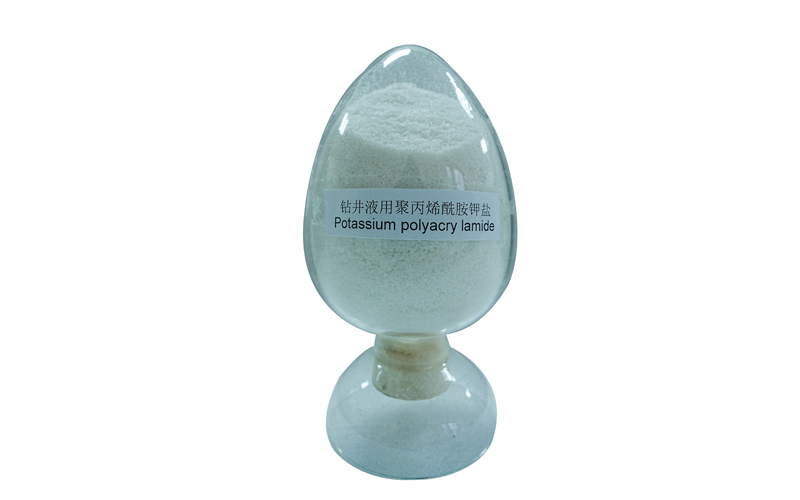
| Product Name | Potassium Polyacrylamide (KPAM) |
| Model | KPAM |
| Company Name | Xingtai Huaju Drilling Fluid Additives Co., Ltd. |
| Address | Development Zone, Julu County, Xingtai City, Hebei Province |
| Emergency Telephone | 18631934518 |
| Standard | Q/SHCG 91-2016 |
| 2. Composition / Information on Ingredients |
| Ingredients | Potassium Polyacrylamide, Water |
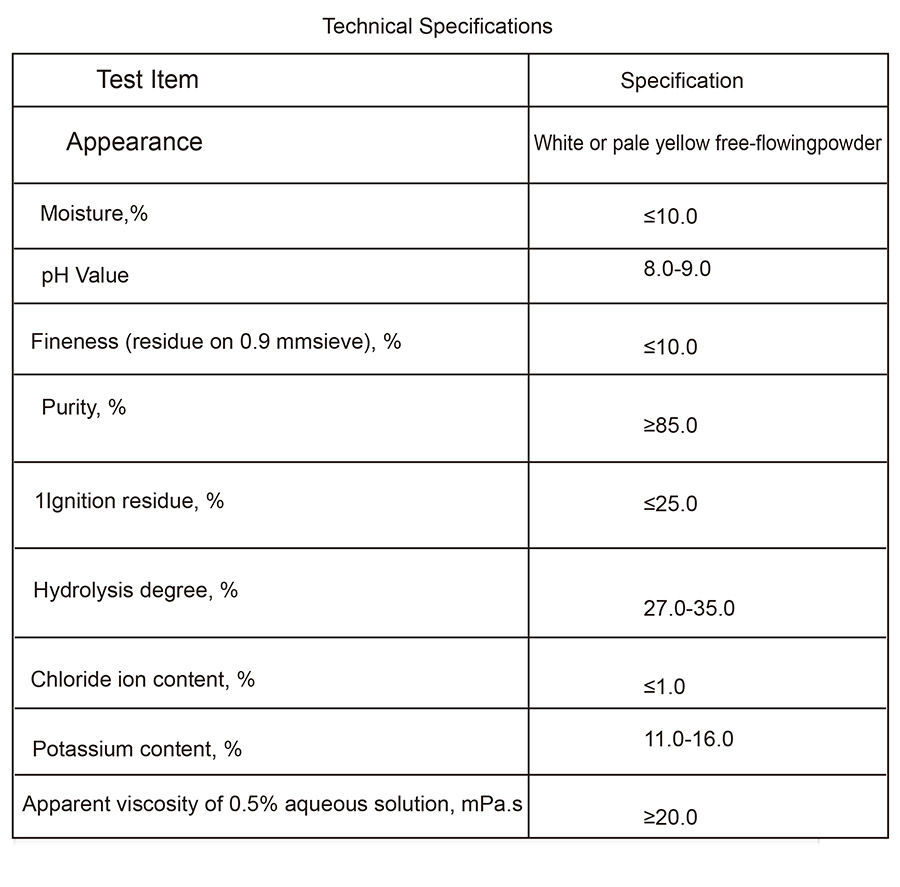
| Content | Potassium Polyacrylamide ≥90%; Water ≤10% |
| CAS No. | Potassium Polyacrylamide: No data; Polyacrylamide: 9003-05-8; Water: 7732-18-5 |
| 3. Hazards Identification |
| Routes of Exposure | Inhalation, ingestion, skin contact |
| Health Hazards | Dust may irritate respiratory tract, eyes and skin. Inhalation may cause cough and throat discomfort. |
| Environmental Hazards | No significant hazard under normal use |
| Flammable & Explosive Hazards | Non-flammable, non-explosive |
| 4. First Aid Measures |
| Skin Contact | Remove contaminated clothing immediately. Rinse skin with plenty of running water for at least 15 minutes. |
| Eye Contact | Rinse eyes with plenty of water or saline for at least 15 minutes. Get medical attention. |
| Inhalation | Move to fresh air. Keep respiratory tract unobstructed. Give oxygen if breathing is difficult. |
| Ingestion | Rinse mouth. Do not induce vomiting. Seek medical advice. |
| 5. Firefighting Measures |
| Extinguishing Media | Water spray, foam, dry powder, sand |
| Firefighting Instructions | Firefighters must wear self-contained breathing apparatus and protective clothing. |
| 6. Accidental Release Measures |
| Emergency Procedures | Isolate spill area. Wear dust mask and protective clothing. Avoid dust dispersion. |
| Cleanup | Small spill: collect in dry, clean, covered container. Large spill: collect for recycling or dispose properly. |
| 7. Handling and Storage |
| Handling | Closed operation, local exhaust. Avoid dust generation. Handle gently. |
| Storage | Store in cool, dry, ventilated warehouse. Keep away from heat and moisture. Separate from oxidizers. |
| 8. Exposure Controls / Personal Protection |
| Engineering Controls | Local exhaust ventilation. Provide eyewash and safety shower. |
| Respiratory Protection | Wear dust respirator when handling dust. |
| Body / Hand Protection | Wear protective clothing and gloves. |
| Others | No smoking, eating or drinking in workplace. Wash thoroughly after work. |
| 9. Physical and Chemical Properties |
| Appearance | White or light yellow free-flowing powder |
| Solubility | Soluble in water |
| pH (1% solution) | 7.0–10.0 |
| Usage | Drilling fluid stabilizer, inhibitor, fluid loss control agent |
| 10. Stability and Reactivity |
| Stability | Stable under normal conditions |
| Conditions to Avoid | Moisture, high temperature, strong oxidizers |
| Polymerization | No polymerization |
| Decomposition Products | Nitrogen oxides (when heated to decomposition) |
| 11. Toxicological Information |
| Acute Toxicity | Low toxicity; no test data available |
| Irritation | Slight irritation to eyes, skin and respiratory system |
| 12. Ecological Information |
| Ecotoxicity | Low toxicity to environment; no pollution under proper disposal |
| 13. Disposal Considerations |
| Waste Character | General industrial solid waste |
| Disposal | Dispose according to national and local regulations. |
| 14. Transport Information |
| Packaging Group | Class III |
| Packaging | Three-in-one bag |
| Transport | Prevent moisture and damage. Do not transport with oxidizers. |
| 15. Regulatory Information |
| Regulations | Work Safety Law, Environmental Protection Law, GB/T 16483-2008 |
| 16. Other Information |
| Reference | Prepared according to GB/T 16483-2008 and Q/SHCG 91-2016 |

 Safety Data Sheet
Potassium Polyacrylamide (KPAM)
Standard: Q/SHCG 91-2016
Safety Data Sheet
Potassium Polyacrylamide (KPAM)
Standard: Q/SHCG 91-2016