| 1. Chemical Product Identification |
| Chinese Name | Sulfomethyl Phenolic Resin SMP-2 |
| English Name | Sulfomethyl Phenolic Resin SMP-2 |
| Company Name | Xingtai Huaju Drilling Fluid Additives Co., Ltd. |
| Address | Development Zone, Julu County, Xingtai City, Hebei Province |
| Emergency Telephone | 18631934518 |
| 2. Composition/Information on Ingredients |
| Ingredients | Sulfomethyl Phenolic Resin SMP-2, Water |
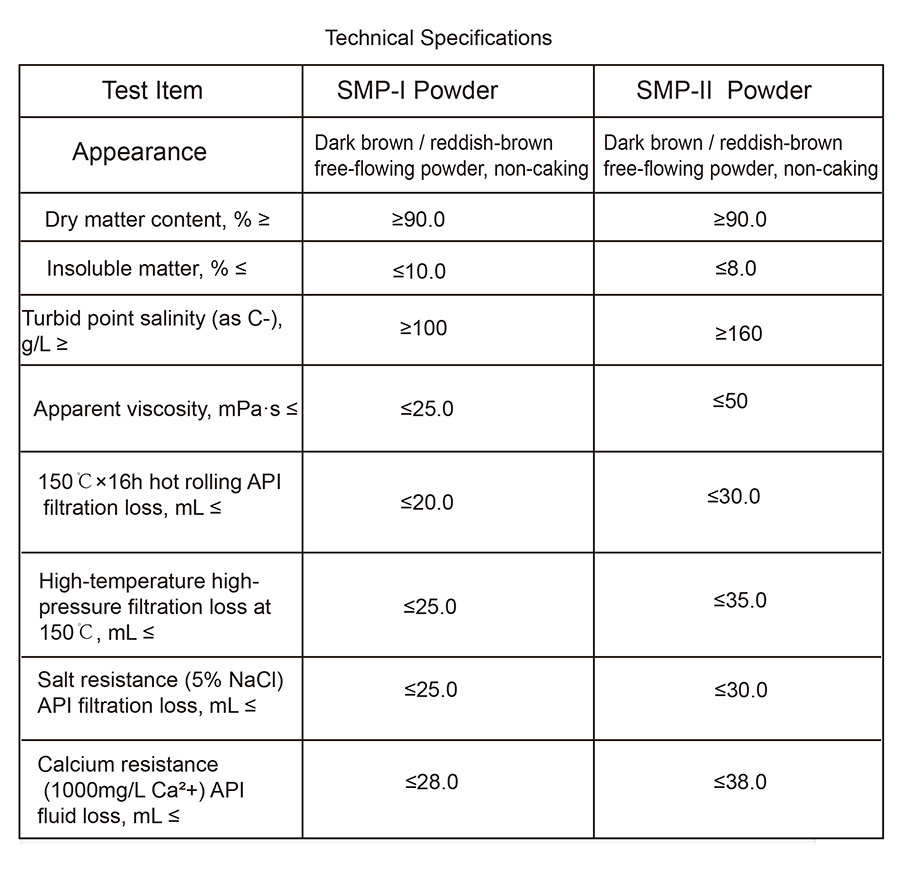
| Content | Sulfomethyl Phenolic Resin SMP-2: ≥90%; Water: ≤10% |
| CAS No. | Sulfomethyl Phenolic Resin SMP-2: 9003-35-4; Water: 7732-18-5 |
| 3. Hazards Identification |
| Routes of Exposure | Inhalation, ingestion, skin absorption |
| Health Hazards | May cause dermatitis, laryngitis, shortness of breath and cough after heavy inhalation. Severe irritation and pain may occur upon eye and skin contact. Abdominal pain may occur if ingested. |
| Environmental Hazards | None |
| Flammable & Explosive Hazards | None |
| 4. First Aid Measures |
| Skin Contact | Remove contaminated clothing immediately and rinse skin thoroughly with plenty of running water for at least 15 minutes. |
| Eye Contact | Immediately lift eyelids and rinse eyes thoroughly with plenty of running water or physiological saline for at least 15 minutes. Seek medical attention. |
| Inhalation | Remove to fresh air immediately. Keep respiratory tract unobstructed. Give oxygen if breathing is difficult. Perform artificial respiration if breathing stops. Seek medical attention. |
| Ingestion | Rinse mouth with water and seek medical attention. |
| 5. Firefighting Measures |
| Extinguishing Methods | Use water spray, foam, dry sand or earth to extinguish fire. |
| 6. Accidental Release Measures |
| Emergency Procedures | Isolate the leaked area and restrict access. It is recommended that emergency personnel wear dust masks and protective clothing. |
| Cleanup Methods | Small leakage: Collect into dry, clean, covered containers. Large leakage: Collect for recycling or transport to waste disposal site. |
| 7. Handling and Storage |
| Handling Precautions | Operate in closed system with local exhaust ventilation. Operators must receive special training and strictly abide by operating procedures. Wear dust respirators, protective clothing and gloves. No smoking in work area. Avoid dust generation. Handle with care to prevent damage to packages and containers. Equip with appropriate fire-fighting equipment and emergency release treatment devices. |
| Storage Precautions | Store in a cool, dry and well-ventilated warehouse. Keep away from fire and heat sources. Packages must be sealed to prevent moisture. Do not store with incompatible materials. Equip storage area with suitable materials for containing spills. |
| 8. Exposure Controls/Personal Protection |
| Engineering Controls | Operate in closed system with local exhaust ventilation. Provide safety showers and eyewash facilities. |
| Respiratory Protection | Wear hood-type electric air-supply filter dust respirator when exposed to dust. Wear self-contained breathing apparatus in high-concentration environment. |
| Body Protection | Wear protective clothing. |
| Hand Protection | Wear protective gloves. |
| Others | No smoking, eating or drinking in work area. Wash thoroughly after work. Pay attention to personal hygiene. |
| 9. Physical and Chemical Properties |
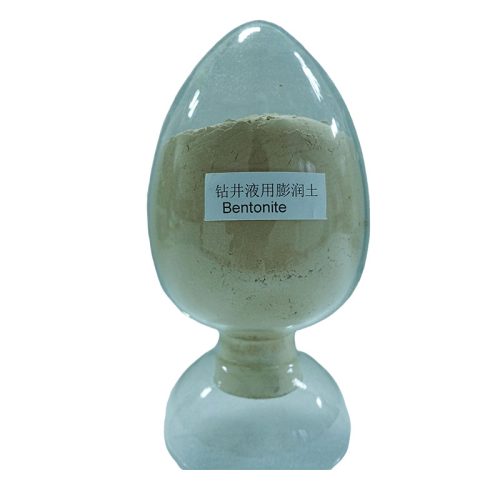
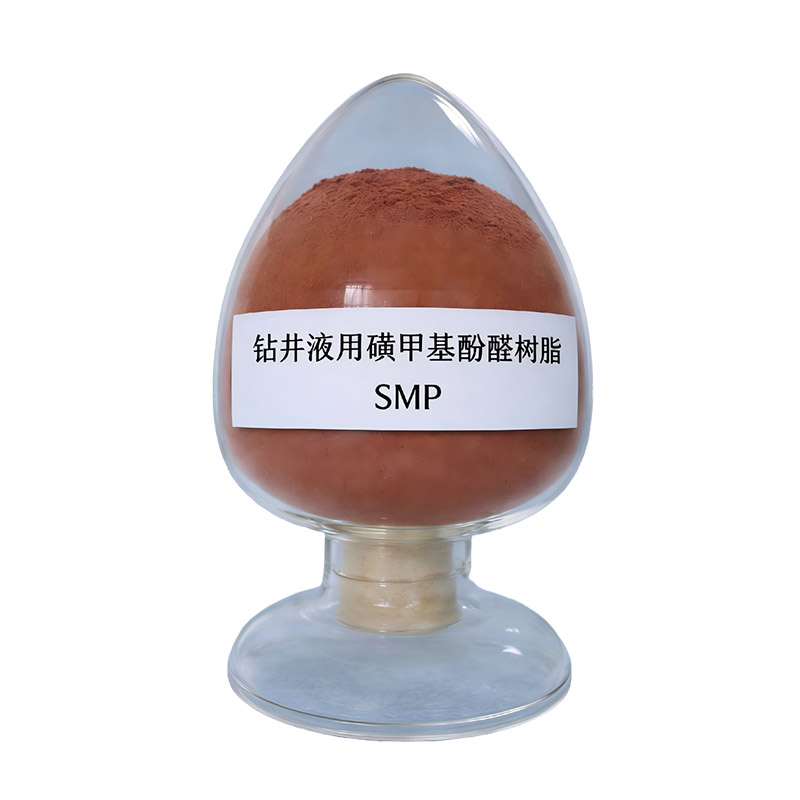
| Appearance & Character | Free-flowing powder |
| Solubility | Easily soluble in water |
| Main Usage | Used as deep well mud treatment agent, with excellent properties of high temperature and high pressure fluid loss reduction, salt resistance and calcium resistance. It plays an important role in wellbore stabilization, collapse prevention and pipe sticking prevention. |
| 10. Stability and Reactivity |
| Stability | Stable |
| Conditions to Avoid | Moist air |
| Polymerization Hazard | No polymerization |
| Decomposition Products | No data |
| 11. Toxicological Information |
| Acute Toxicity | LC₅₀: No data |
| 12. Ecological Information |
| Ecological Effects | Proper use and disposal of the product will not cause ecological problems. |
| 13. Disposal Considerations |
| Waste Characteristics | Industrial solid waste |
| Disposal Methods | Dispose in accordance with national and local relevant regulations, or contact the manufacturer to determine disposal methods. |
| 14. Transport Information |
| Packaging Category | Class III Packaging |
| Packaging Method | Three-in-one packaging |
| Transport Precautions | Ensure containers are not leaking, collapsing, falling or damaged during transportation. Vehicles shall be equipped with corresponding fire-fighting equipment. Do not transport with spontaneous combustion materials or moisture-sensitive flammable materials. Thoroughly clean vehicles before loading and after unloading. |
| 15. Regulatory Information |
| Relevant Regulations | Work Safety Law of the People’s Republic of China, Environmental Protection Law of the People’s Republic of China, Law of the People’s Republic of China on Prevention and Control of Occupational Diseases, General Rules for Preparation of Safety Data Sheets for Chemical Products (GB/T 16483-2008) and other relevant laws and regulations. |
| 16. Other Information |
| References | This SDS is prepared in accordance with GB/T 16483-2008 General Rules for Preparation of Safety Data Sheets for Chemical Products. Since the national GHS classification catalogue for chemicals has not yet been issued, the GHS classification in this SDS is made by the enterprise according to GB 20576-2006 ~ GB 20602-2006 series standards. It will be adjusted accordingly after the national GHS classification catalogue is issued. |

 Safety Data Sheet
Sulfomethyl Phenolic Resin SMP-2
Safety Data Sheet
Sulfomethyl Phenolic Resin SMP-2